
In this chapter list
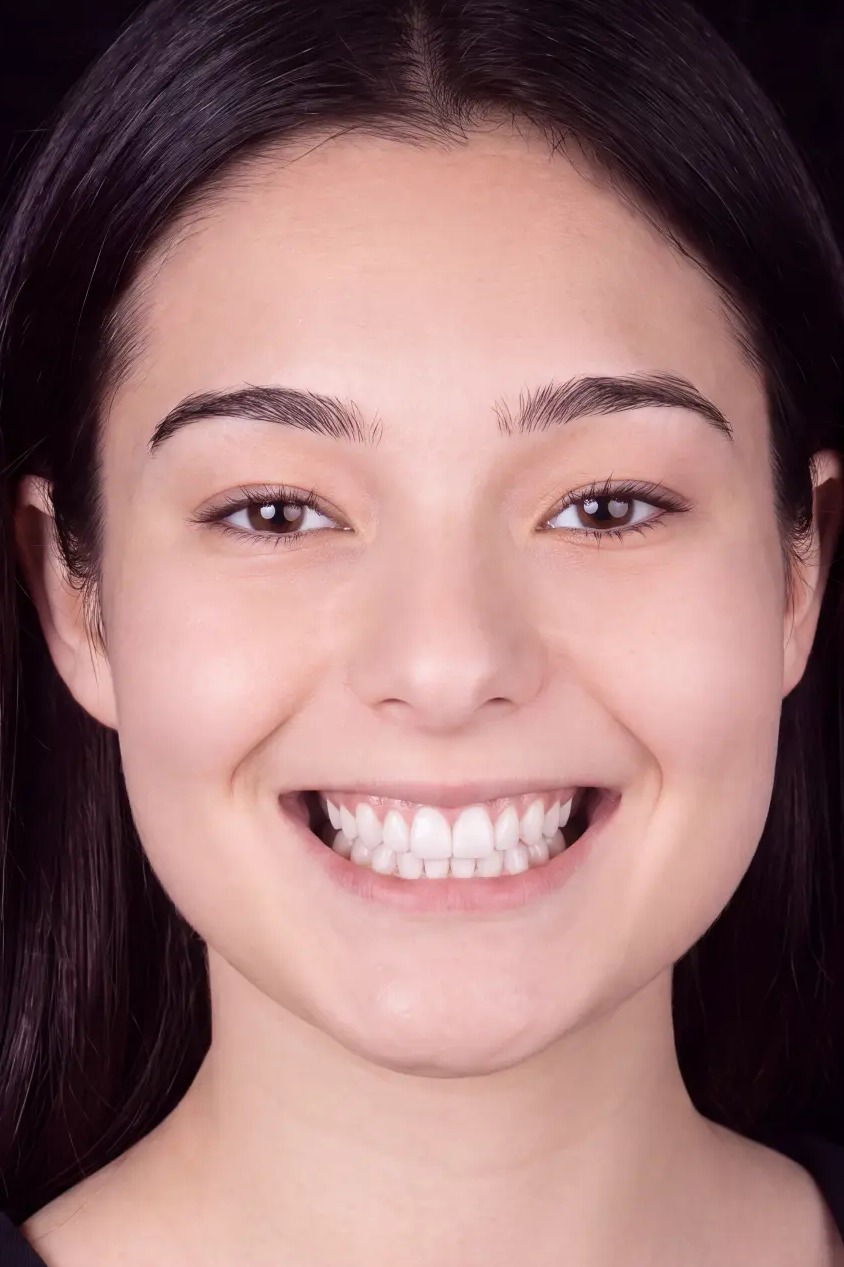
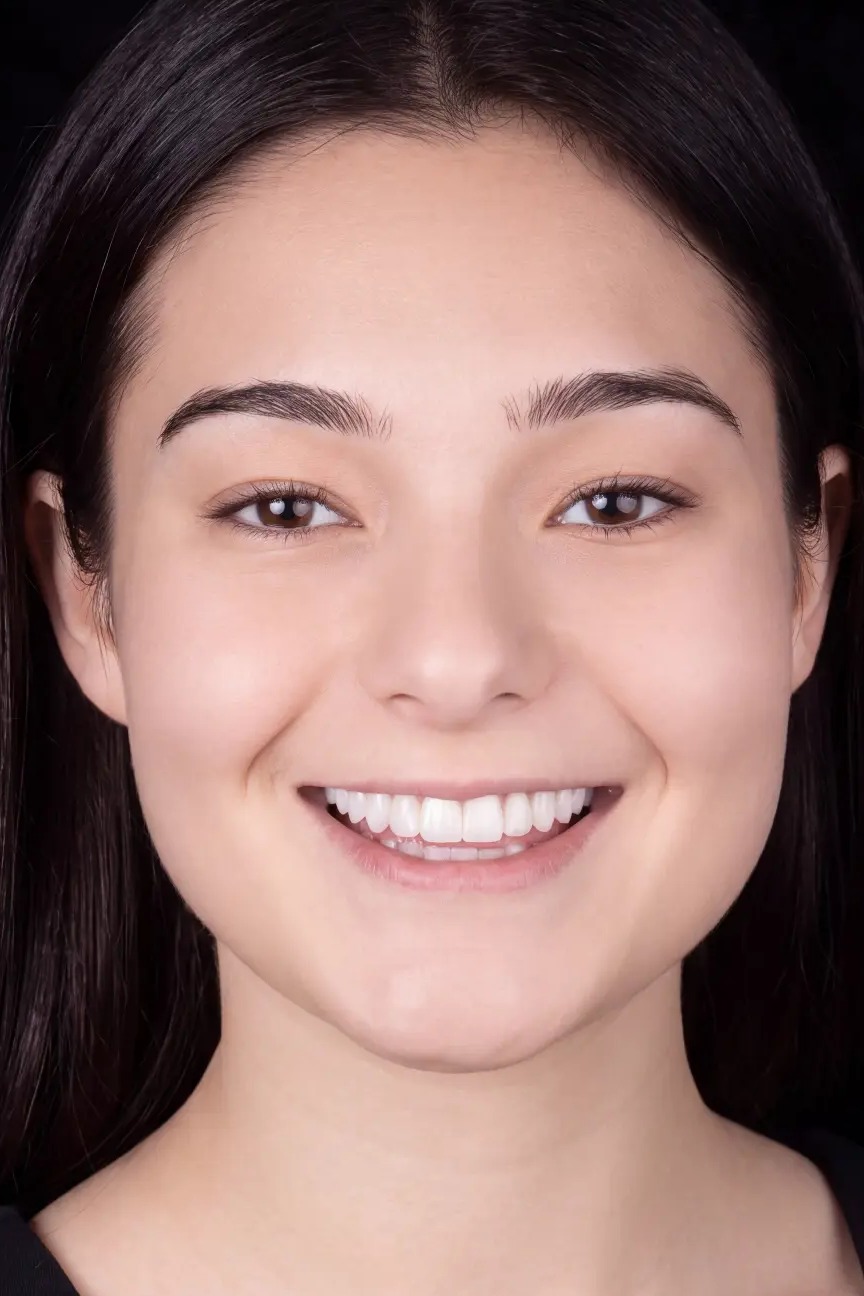
A beautiful smile is custom-made. Its shape, proportions, position and colour need to work together—and they need to belong to the person wearing it.
When I design a smile, I begin with the whole face. I look at the facial skeleton, the framework of the lips, the existing teeth, and the bone and gums that support them. I observe how much tooth shows when someone speaks, how the lips move, and how the smile changes with expression.
This approach is called facially driven smile design: designing the teeth in relation to the face, while respecting the person's biology, bite and preferences.
The details matter because the same teeth can look beautiful on one person and completely out of place on another. There is no single shape, size or shade that suits everyone.
A smile begins with the face
Before choosing individual tooth shapes, we need to understand where the teeth should sit.
Their position influences how they fit within the lips, how much of them is visible, and how they support the surrounding soft tissues. The curve of the smile needs to feel comfortable within the face, both at rest and in movement.
There is also a biological framework to respect. The supporting bone, gum levels, tooth roots and existing tooth structure all influence what can be achieved safely. A design must also allow the teeth to function comfortably together and be maintained over time.
Sometimes the right approach involves orthodontics. Sometimes it involves whitening, bonding, carefully planned restorations or a combination of treatments. Smile design is the planning process that helps us choose the appropriate treatment; it does not automatically mean veneers.
The starting point is always the individual.

Tooth shape: understanding what suits you best
Teeth can have more oval, square or triangular characteristics. These are useful descriptions, although natural teeth often combine features of more than one shape.
Rounded corners can create a softer appearance. Straighter sides and more defined corners can give a tooth a stronger presence. A tooth that narrows towards the gum creates a different impression again.
When patients bring photographs of celebrities or smiles they admire, I find them useful. Often, they are responding to something quite specific without yet having the words to describe it.
It might be the softness of the corners, the length of the front teeth, a particular arrangement, or simply the way the smile sits within the face.
My job is to identify those qualities and understand what the patient likes about them. Then we consider how to translate that preference into their own smile.
Copying another person's teeth rarely captures the whole effect. Their facial structure, lips and existing dental anatomy are different.
How do we choose the right tooth shape?
We look for clues in the mouth: the shape of the existing teeth, their contours, the gum architecture and the space available. We consider these alongside facial proportions and the patient's preferences.
Facial shape does not dictate one "correct" tooth shape. It provides context.
The choice is partly clinical and partly subjective. A patient may prefer a softer smile, a more defined appearance or a little natural irregularity. A trial smile or mock-up, where appropriate, helps us assess these choices in the face before finalising treatment.
The aim is to create a smile that feels personal, rather than selected from a catalogue.
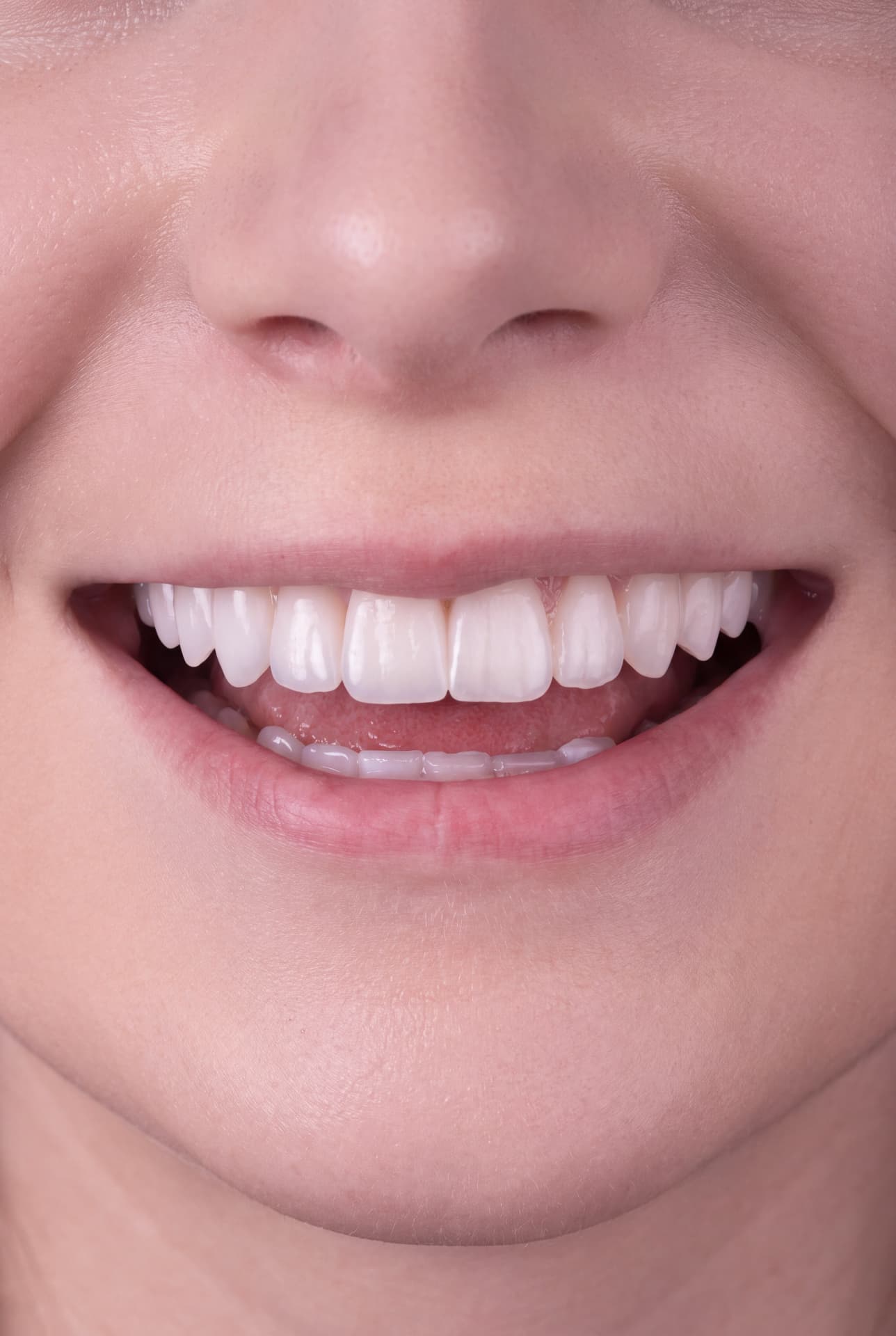
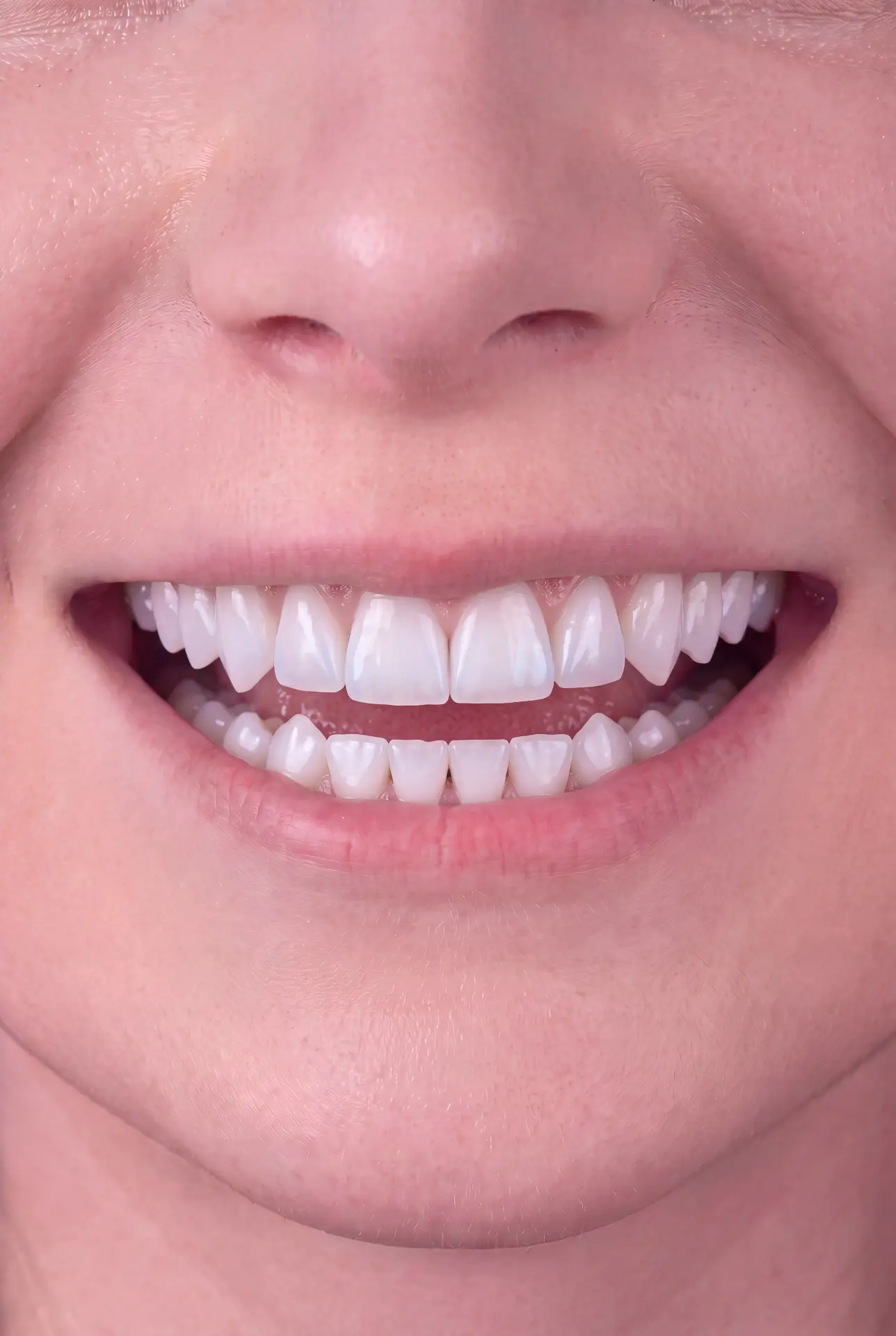
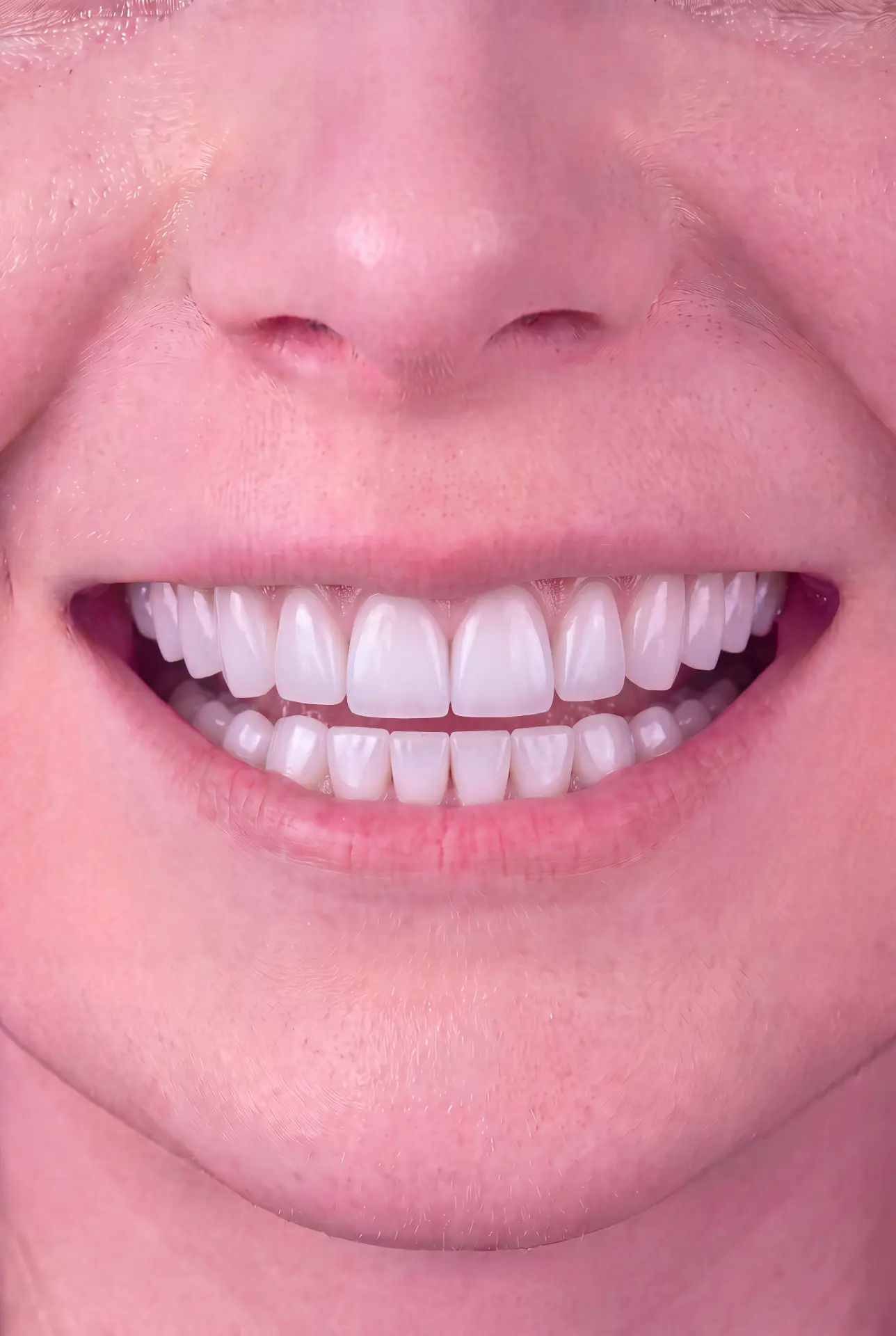
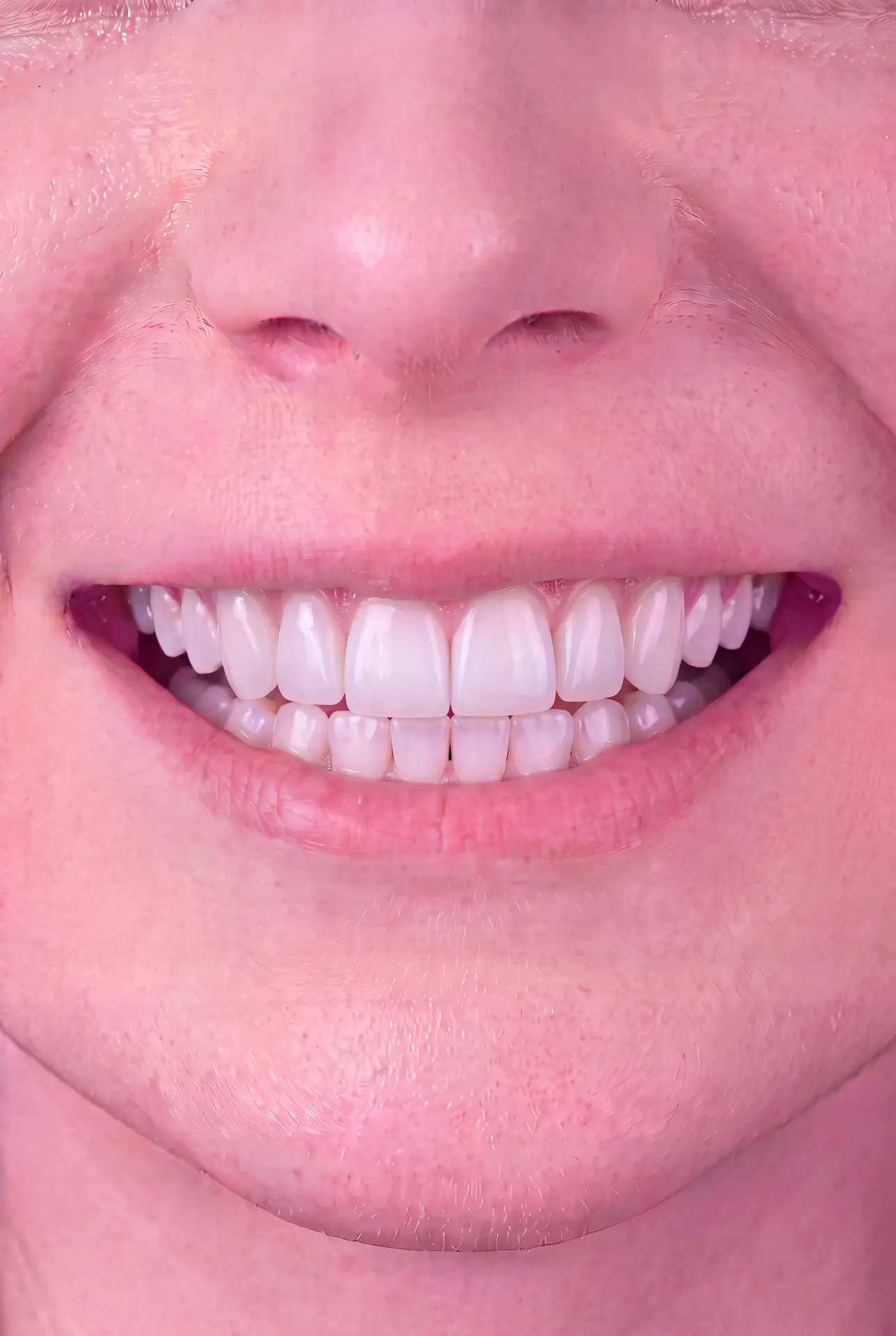
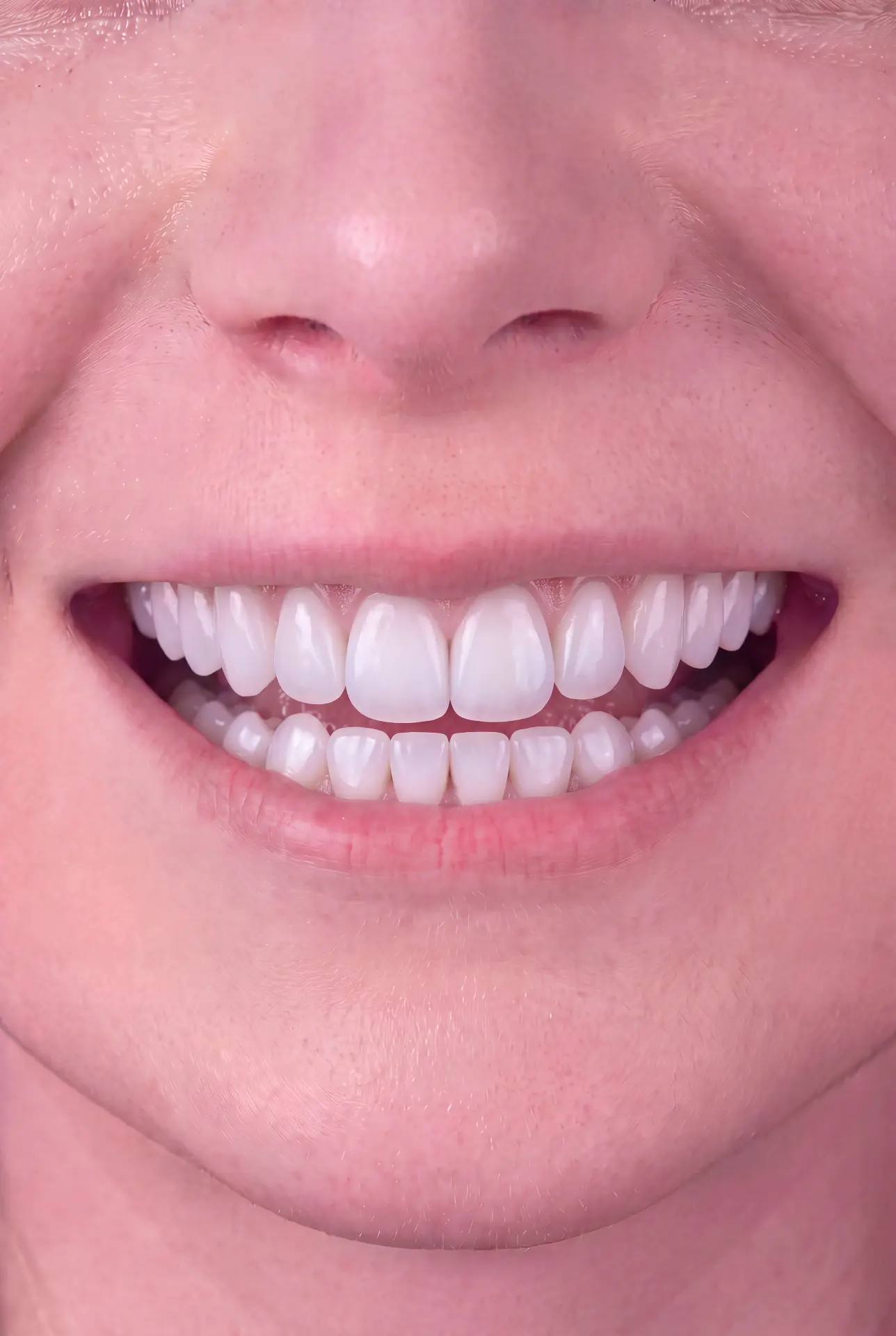
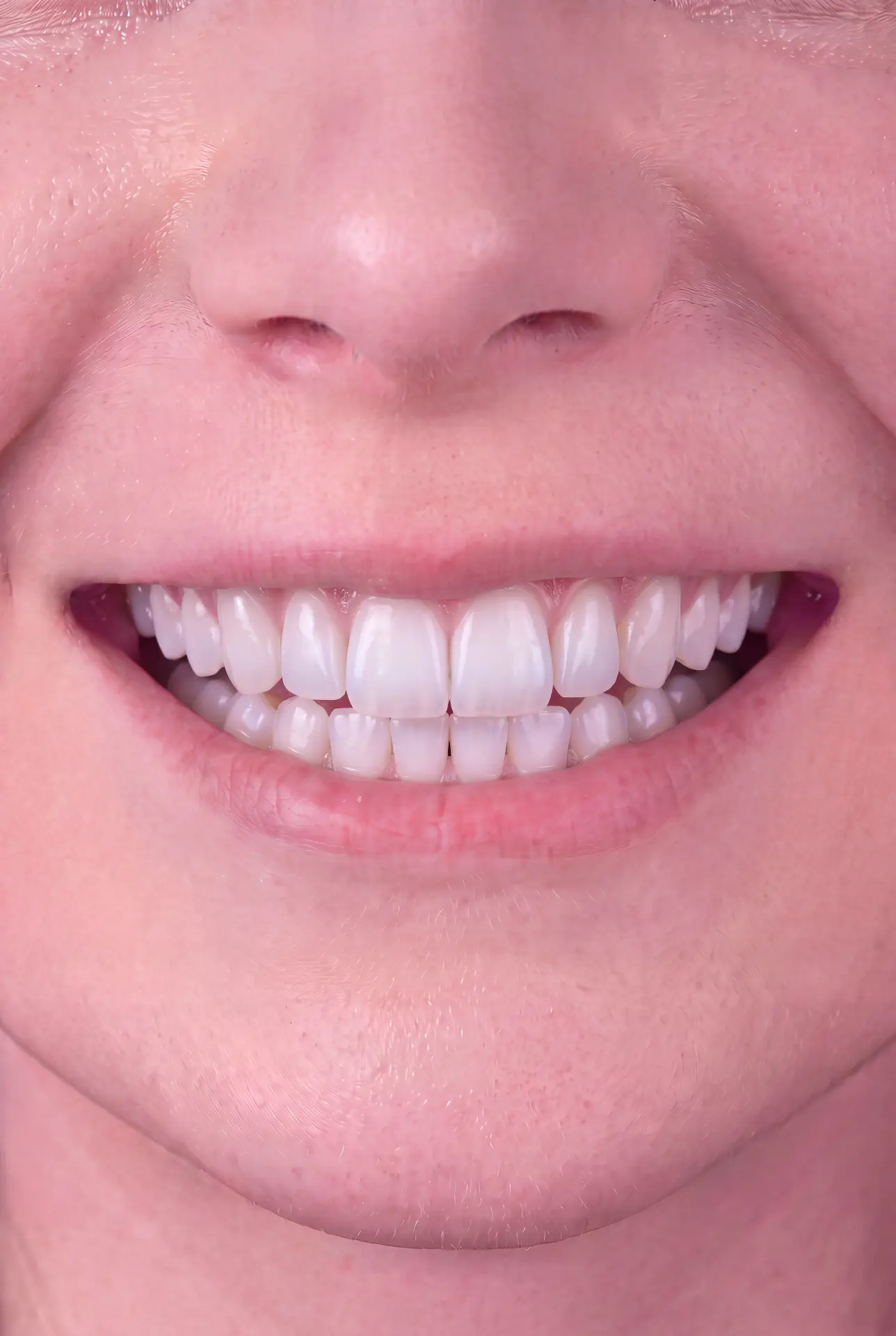
Tooth proportions: finding the right balance
Every tooth has a relationship between its width and length. That relationship affects whether it looks slender, broad, delicate or prominent.
But a tooth can have pleasing proportions on its own and still be the wrong size for the smile.
We need to consider its scale within the mouth, its relationship with neighbouring teeth, and how it sits within the face and lips. Measurements help guide these decisions, but no single ratio can design every smile.
Teeth that are too large for the available space can dominate the face. Teeth that are too short or small may have too little presence. Where wear has shortened the teeth, it can also contribute to an older-looking smile. In some cases, tooth position and contour affect lip support.
The answer is not simply to make teeth longer or bigger. It is to understand what is missing and restore the appropriate balance.
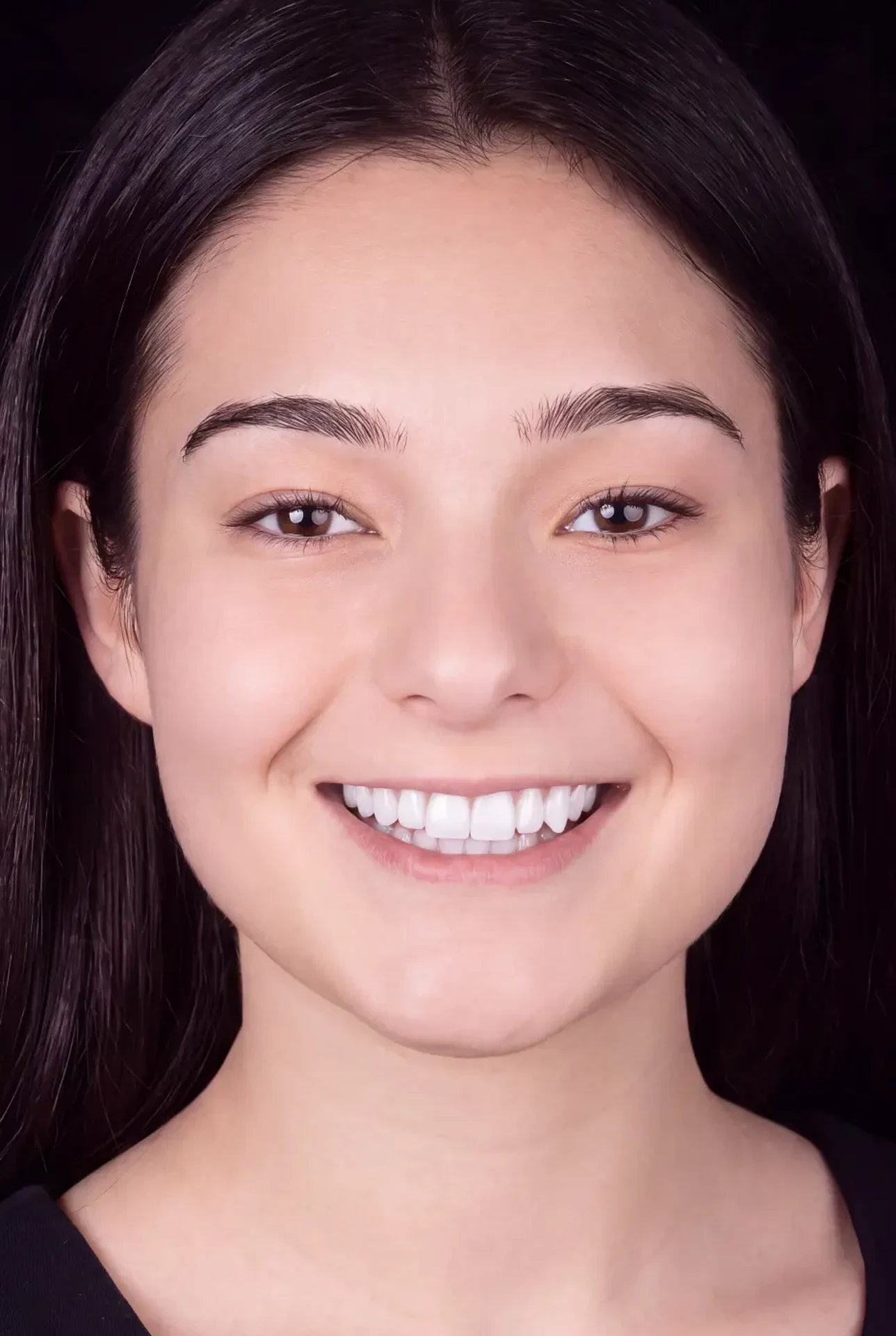

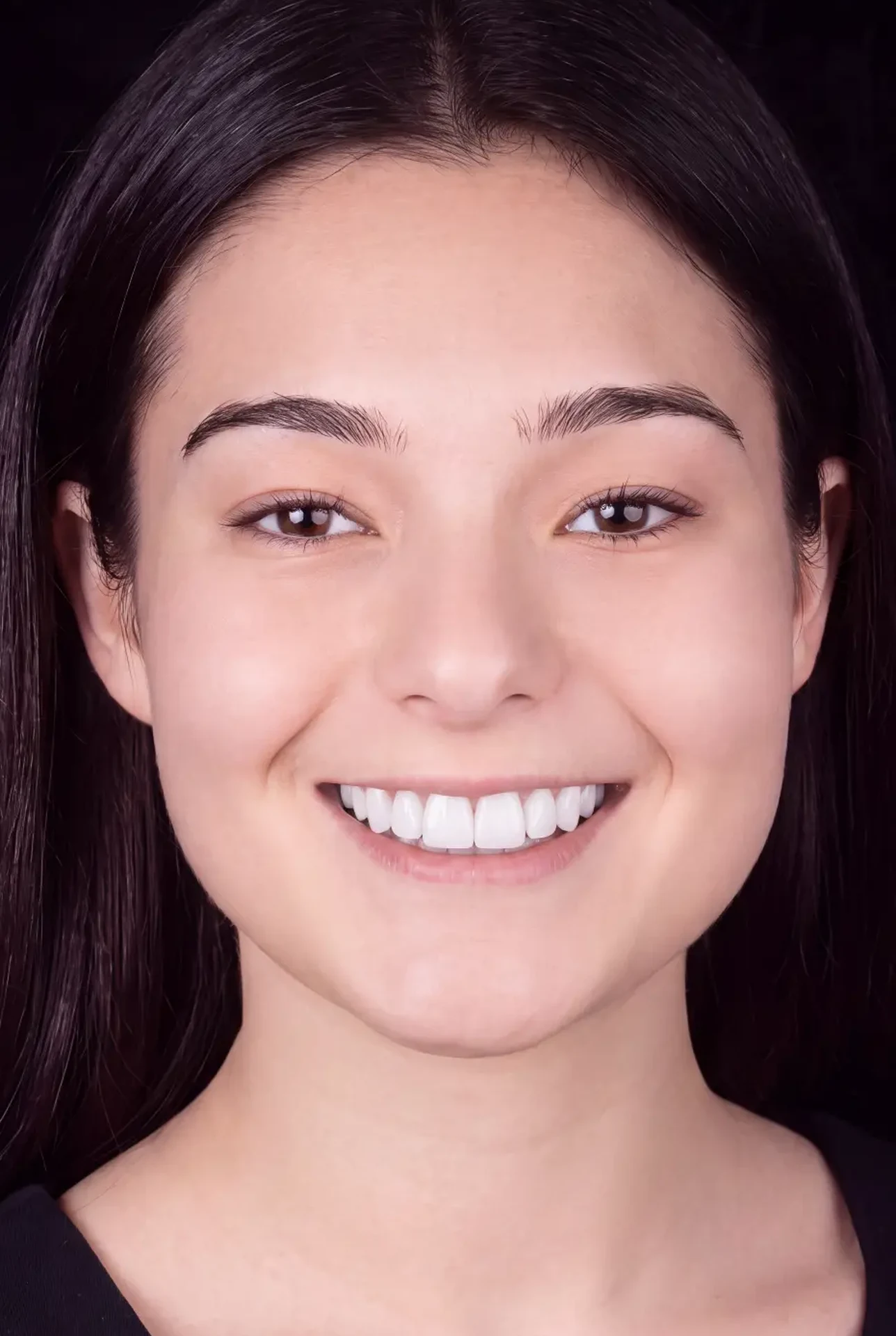


Alignment: how the teeth work together
Once the shapes and proportions are established, the arrangement needs just as much attention.
We consider the position of the front teeth, their angles, the small differences in length and the spaces between their edges. We also look at how the smile develops towards the sides of the mouth.
Natural harmony does not require every tooth to have the same length or every edge to form a perfectly straight line. Carefully judged variation can give a smile character.
These decisions must also work with the bite. The upper and lower teeth need appropriate contacts and space to move during chewing and other jaw movements.
A smile should look balanced and function comfortably. Both are part of the same design.



Translucency: the detail that brings teeth to life
Natural teeth are not a single, solid block of colour.
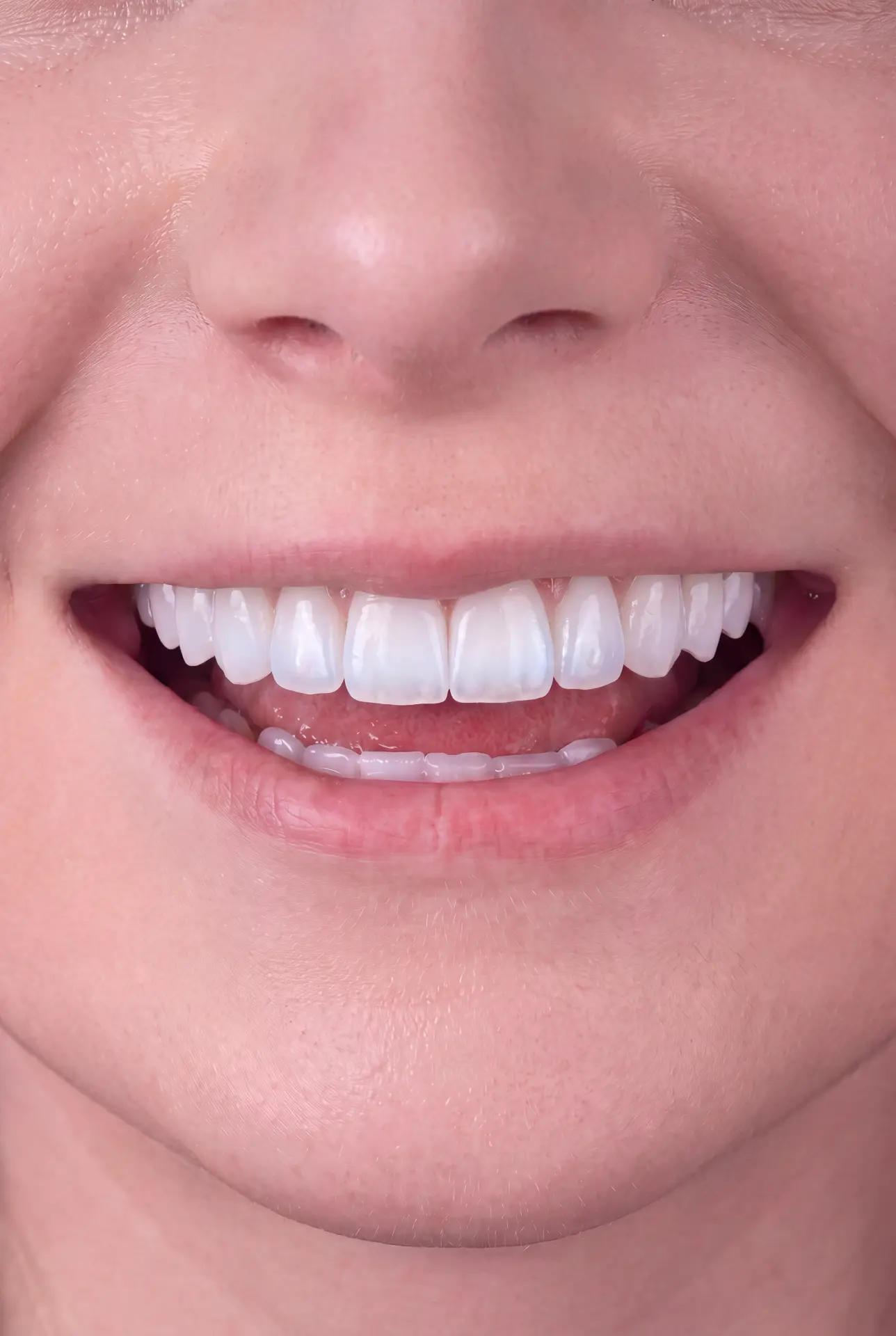
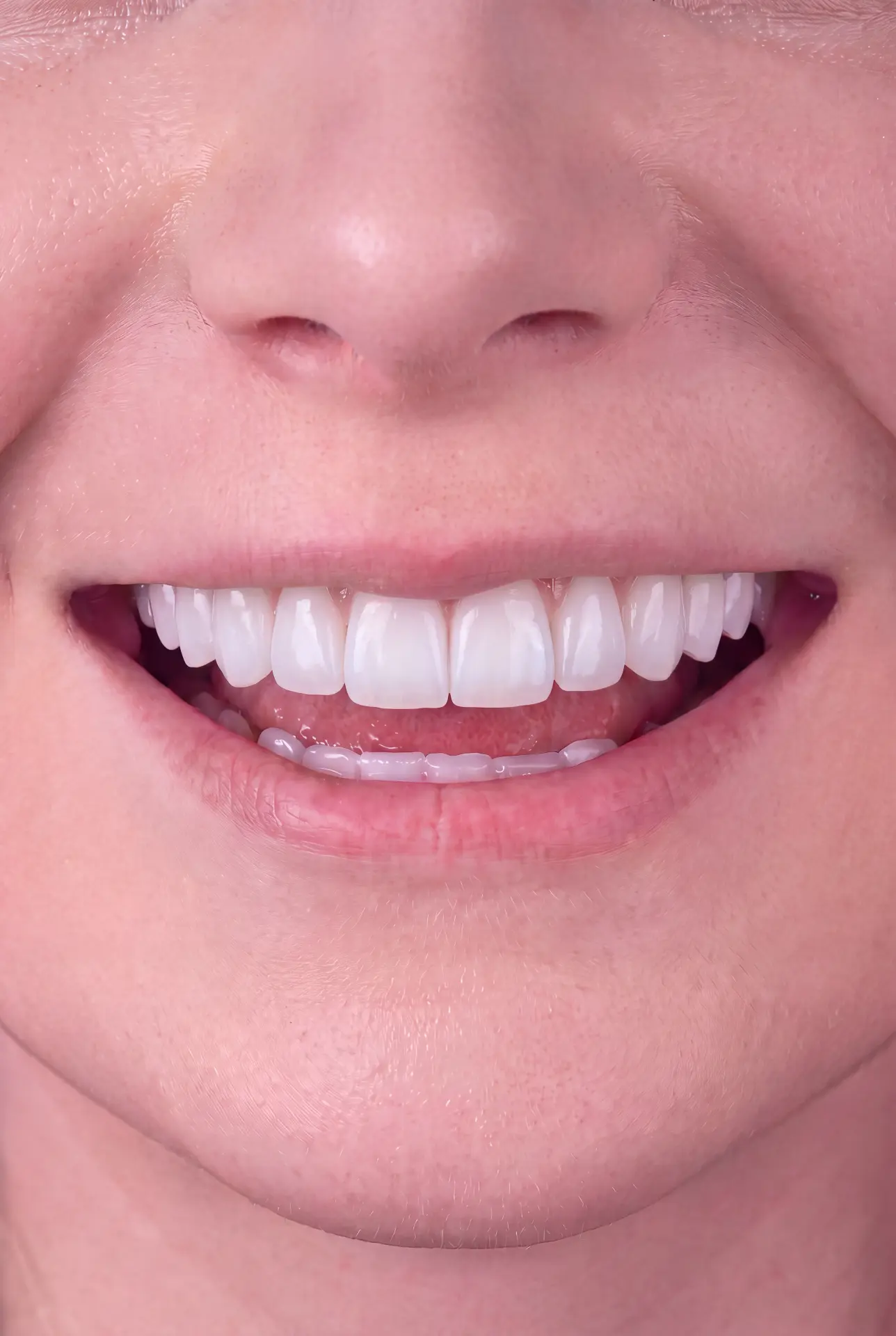
Enamel allows some light to pass through it. This property, called translucency, contributes to the depth and subtle variation we see in natural teeth, particularly near their biting edges.
Together with the underlying tooth structure, it creates an appearance that changes with the light. This is part of what makes teeth look alive.
When creating restorations, we need to reproduce an appropriate balance between translucency and opacity. The material, its thickness and the tooth underneath all influence the result.
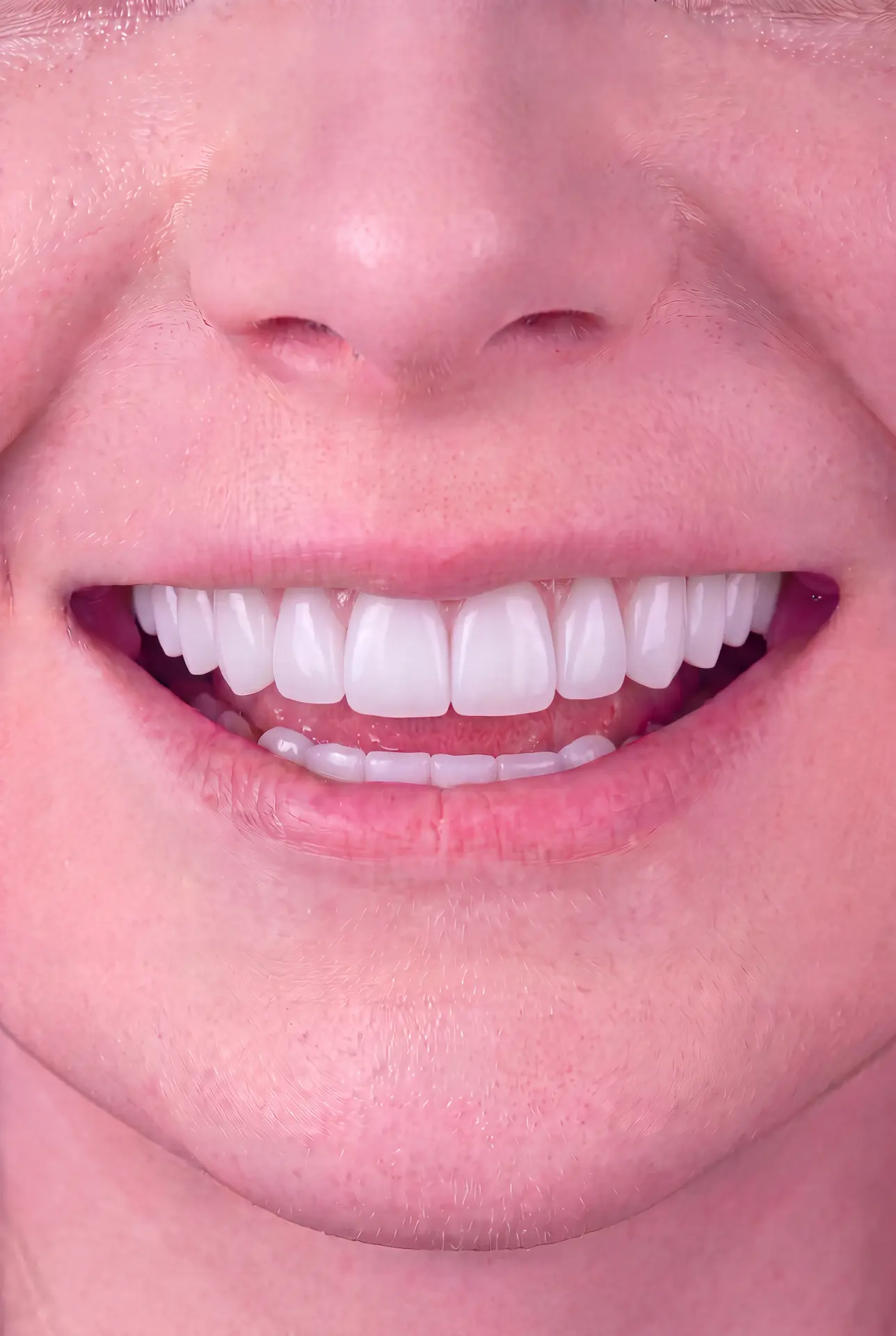
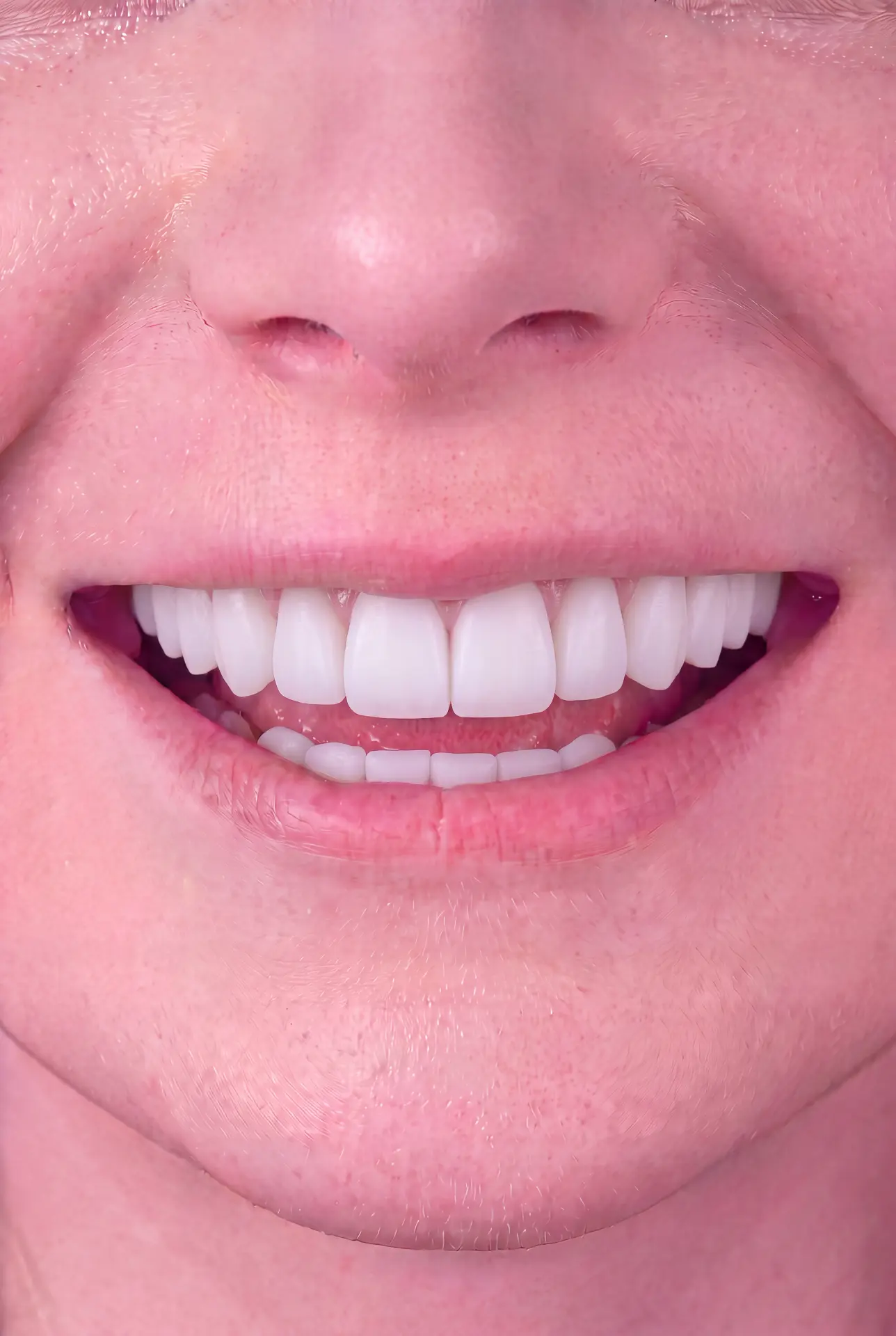
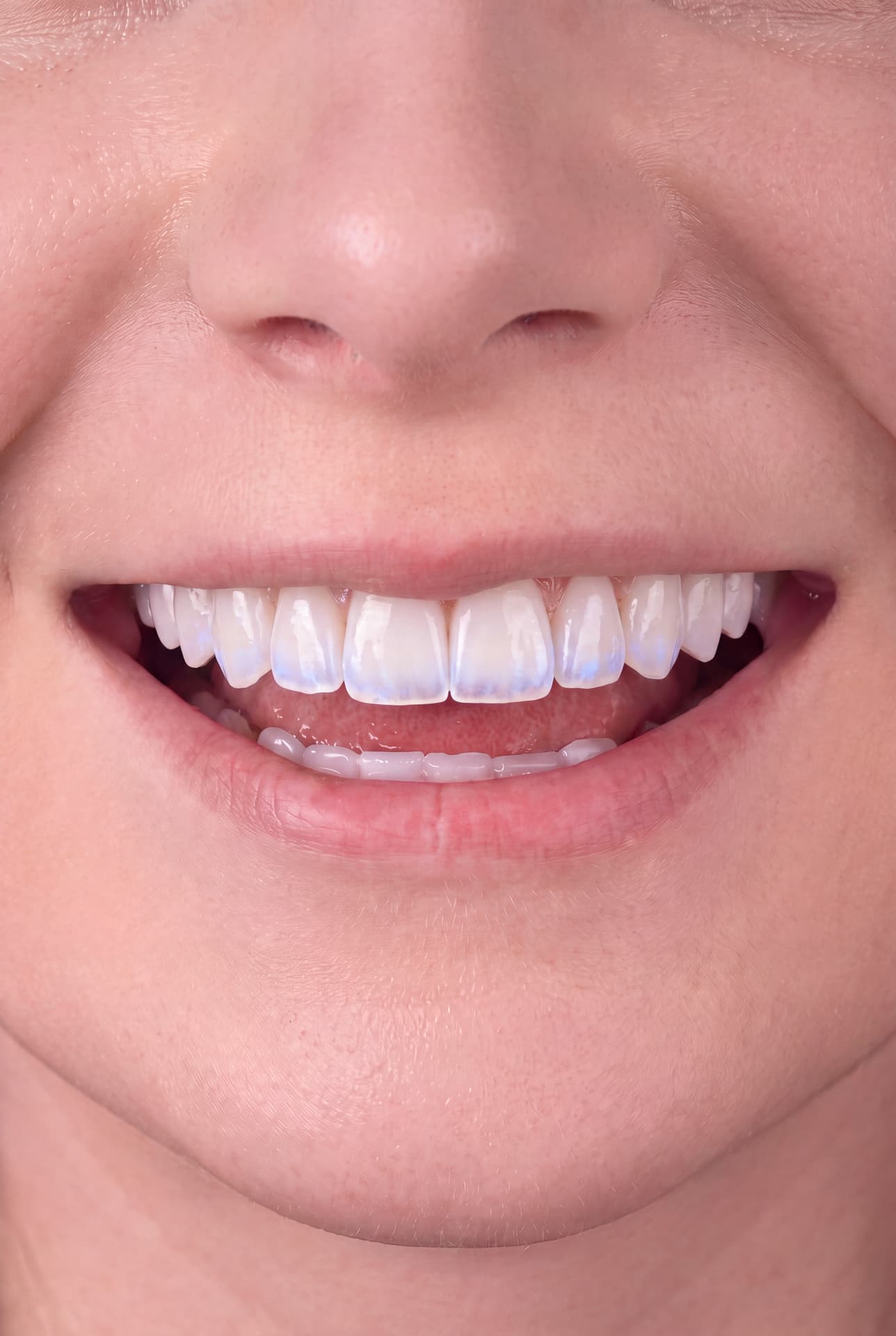
How much translucency looks natural?
There is no universal amount.
We look at the patient's existing teeth, age, wear patterns and the overall appearance we are trying to achieve. As teeth wear, their edges and enamel change, so a youthful edge pattern may not suit every smile.
Too little optical depth can make restorations look flat or chalky. Too much translucency can make areas appear grey, overly transparent or patchy.
The skill lies in creating enough variation to look convincing without making the effects draw attention to themselves.
This is where the judgement and craftsmanship of the dentist and dental ceramist become particularly important.
Surface texture: the subtle detail you notice without seeing
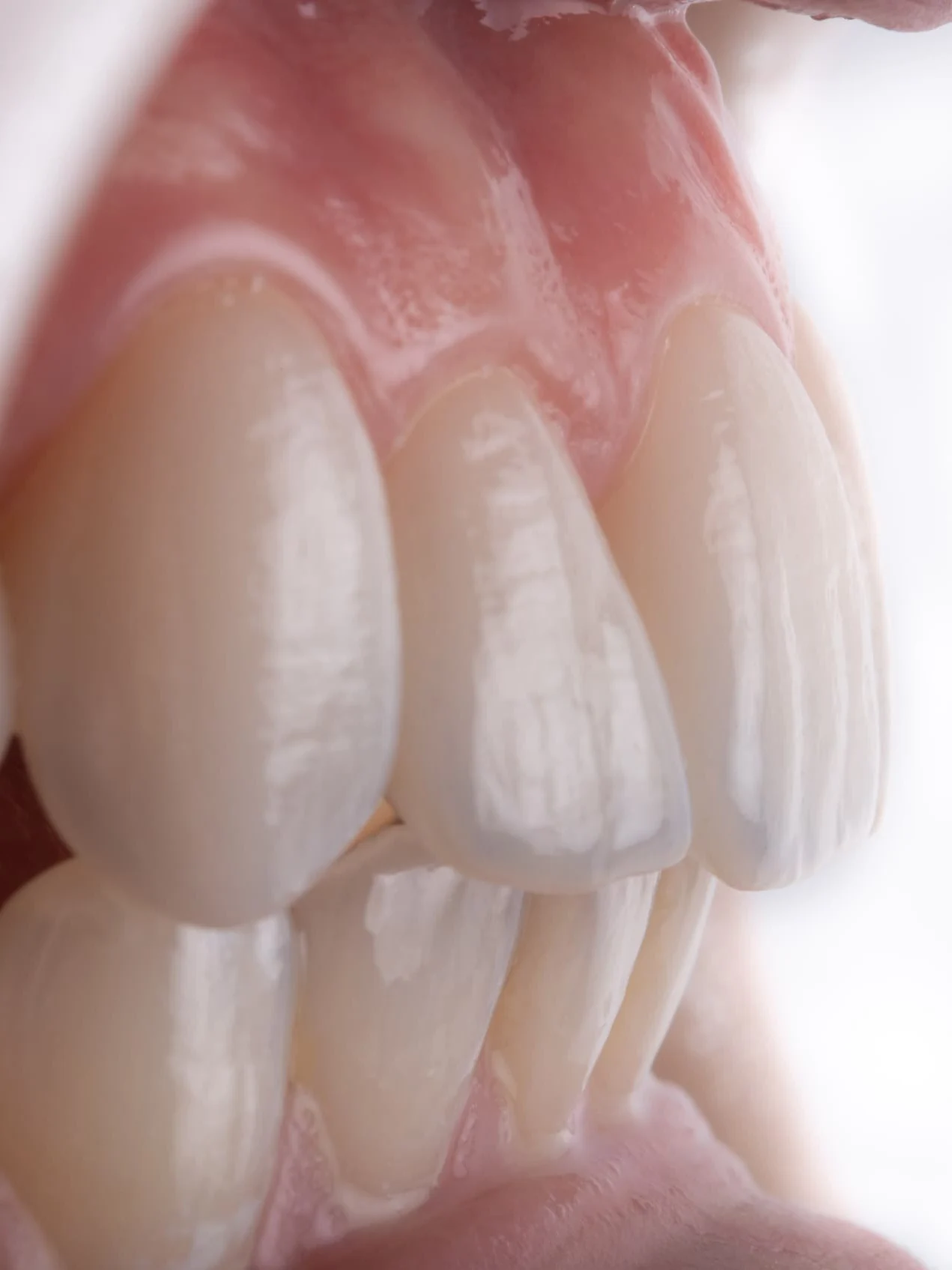
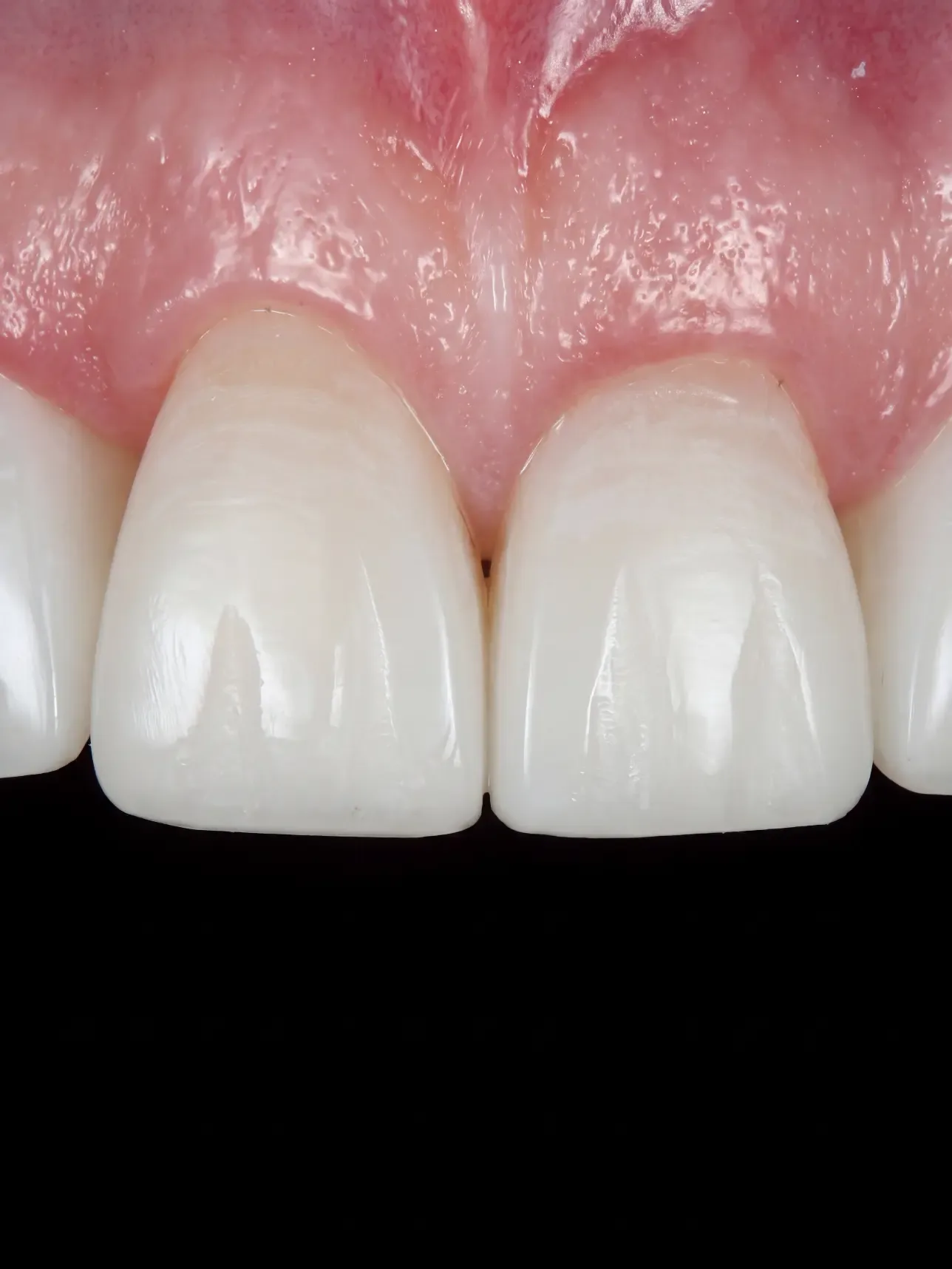
Look closely at natural teeth and you will find fine surface details: shallow grooves, gentle ridges and tiny variations in contour.
Most people would never consciously identify them. Yet these details influence how light reflects from the surface and how the tooth appears.
I think of texture as something like a fingerprint. Each person has a different pattern and degree of expression.
Younger teeth often have more visible surface detail. Over time, wear and polishing can soften it. However, there is considerable individual variation, so age alone cannot tell us exactly how much texture to create.
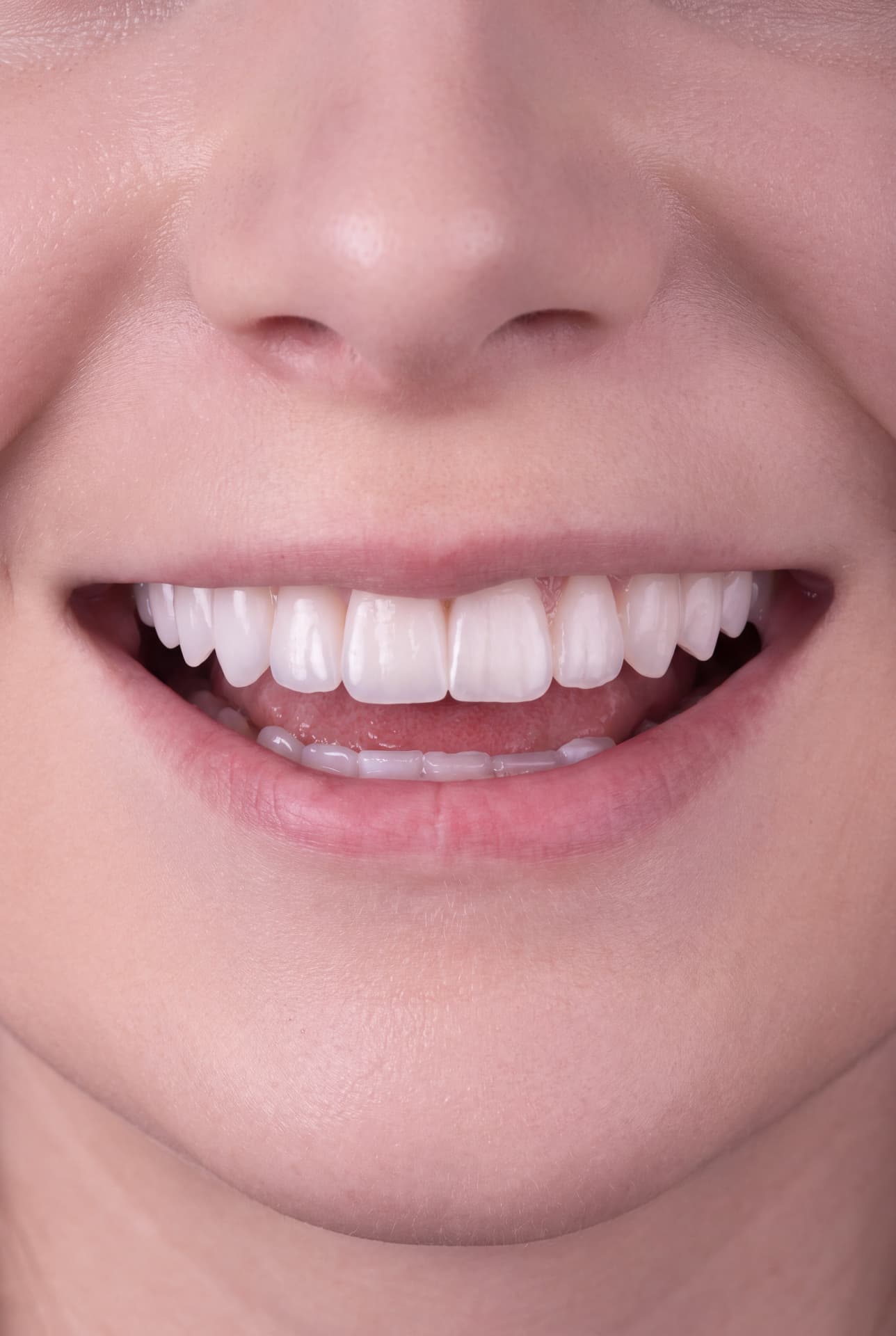

Why does texture matter in smile design?
Texture and surface polish work together to influence reflections, highlights and perceived brightness.
A very smooth surface reflects light differently from one with subtle contours. In a restoration, carefully reproduced texture can help create the depth and individuality associated with natural enamel.
More texture is not necessarily better. If it is exaggerated or poorly finished, it can create distracting reflections and an artificial appearance. Restorations should feel comfortable and have an appropriately finished surface.
We choose the amount by studying the remaining teeth and considering the patient's age and desired result.
The craftsmanship is in making it soft and understated—barely noticeable, but enough to interact with the light.
Tooth colour: can a white smile still look natural?
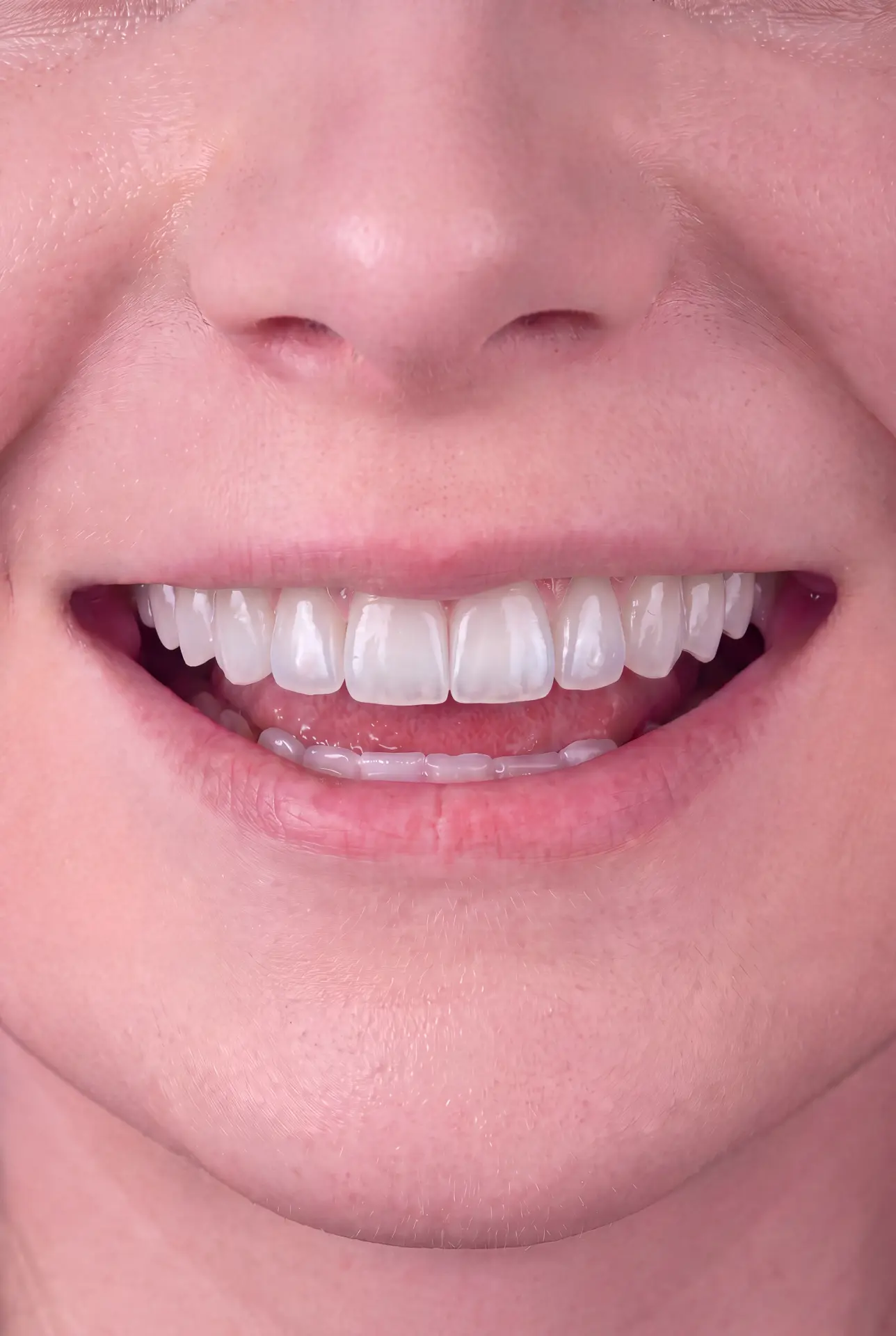
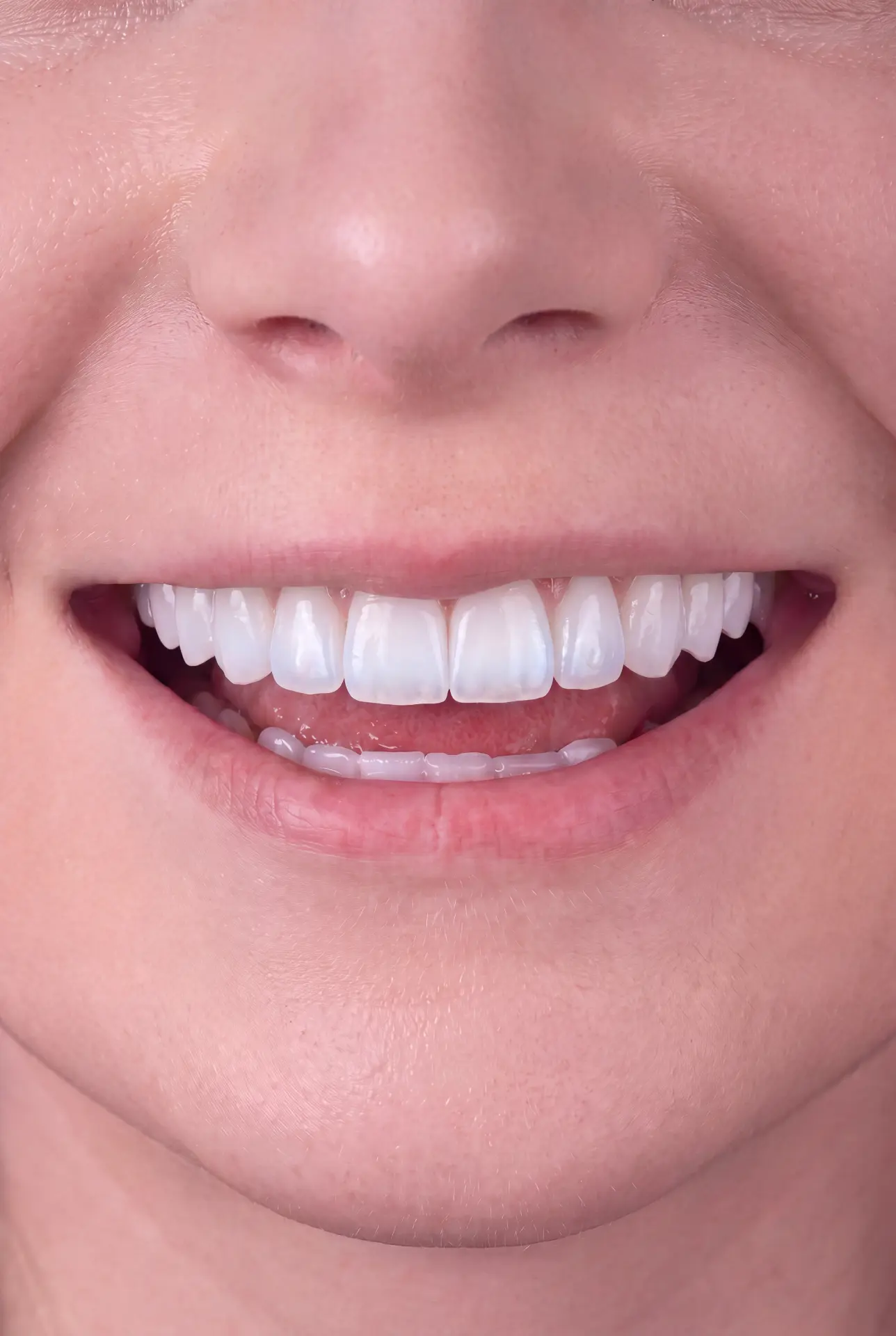
Yes. A bright smile can look natural.
There is nothing wrong with wanting whiter teeth. The level of brightness is a personal choice, and I want to understand the look each patient hopes to achieve.
We assess shade in the context of the face, including skin tone, the eyes and the surrounding teeth. We also discuss personal style: some people want a quiet change, while others feel comfortable with a more striking smile.
There is no shade chart that can make that decision for everyone.
However, colour is only one part of the result.
Bright teeth can look like healthy natural teeth that have been whitened when their shapes, proportions, translucency and texture are convincing—and when they sit harmoniously within the gums, lips and face.
What makes a smile look artificial?
An artificial appearance usually comes from several design decisions working together.
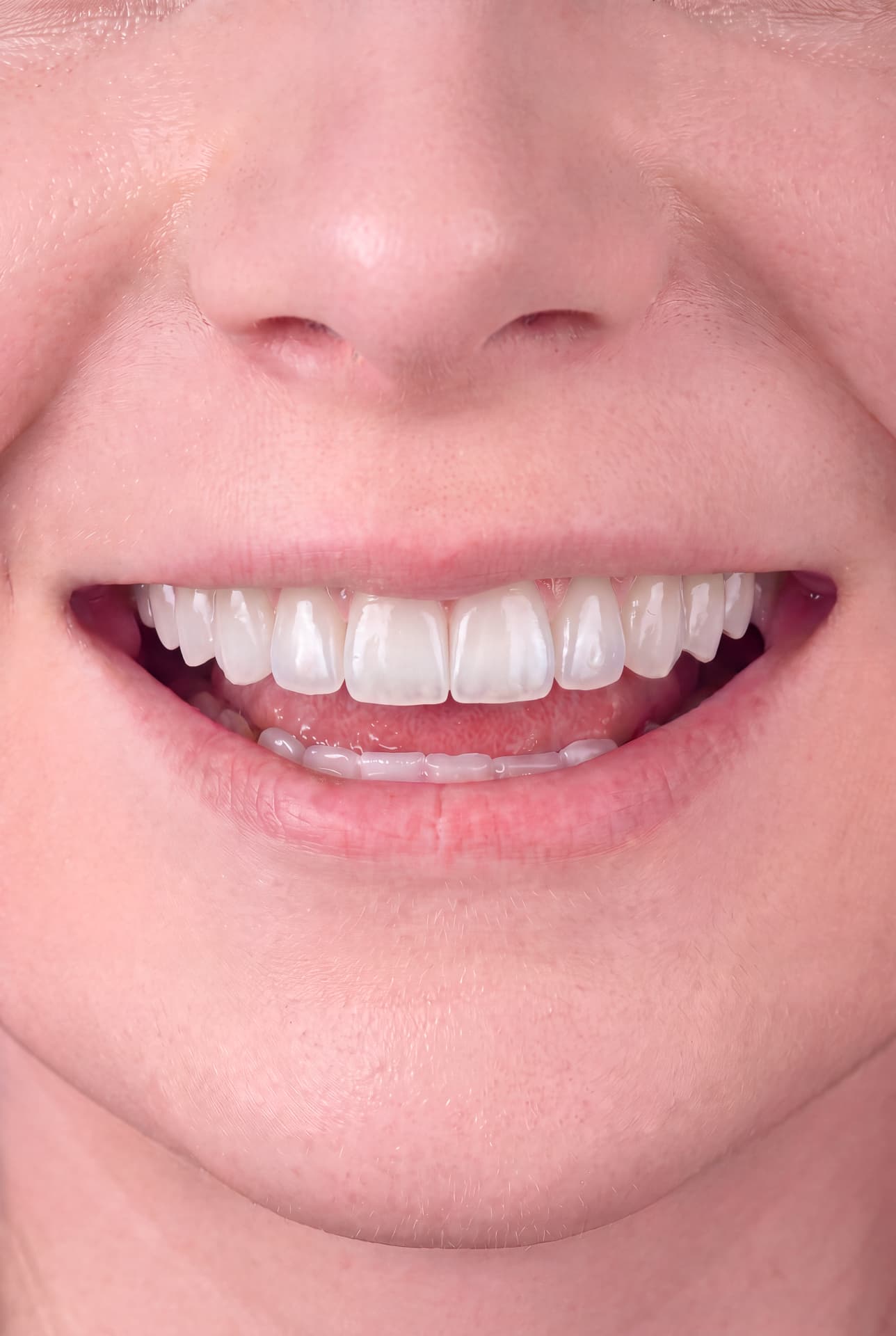
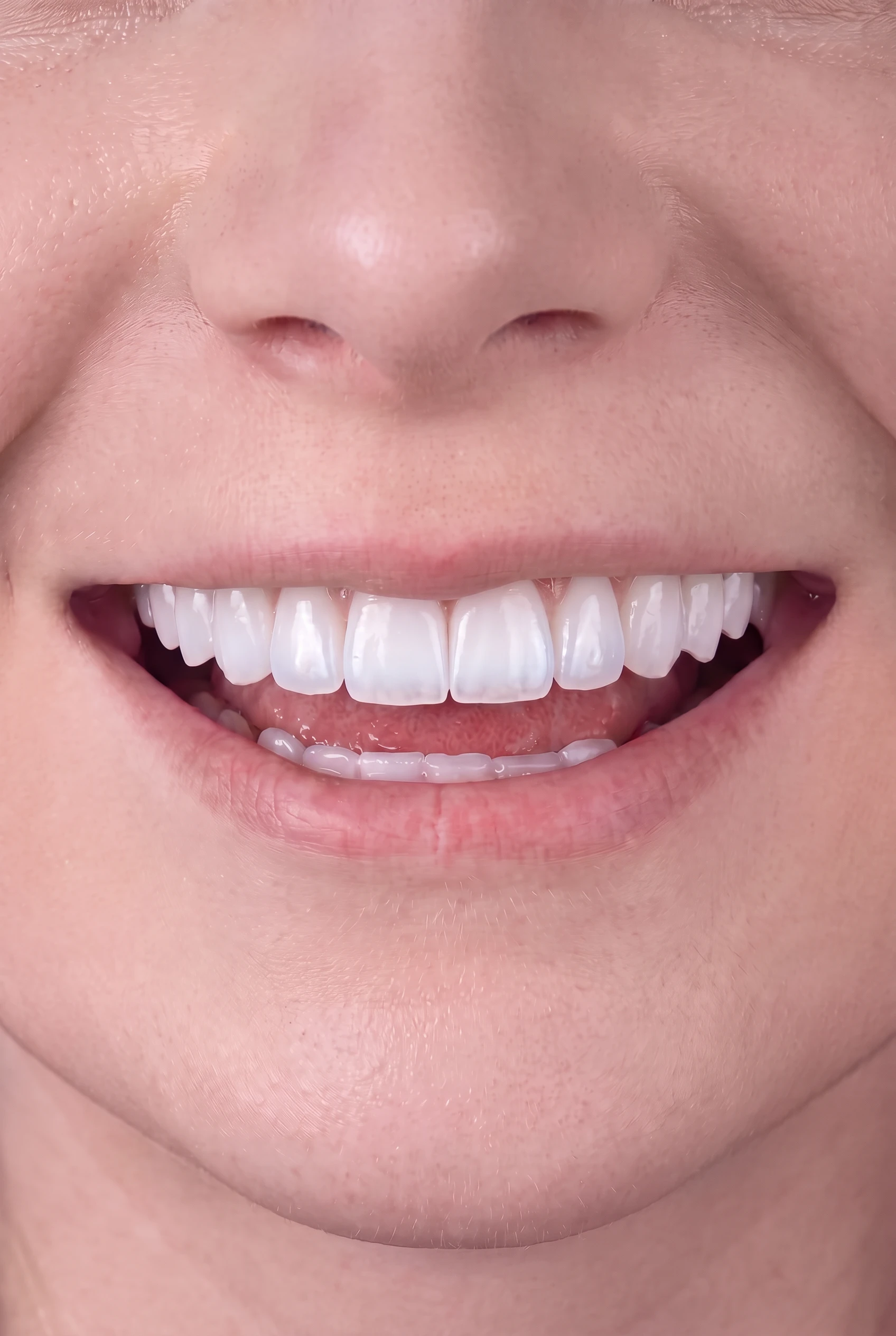
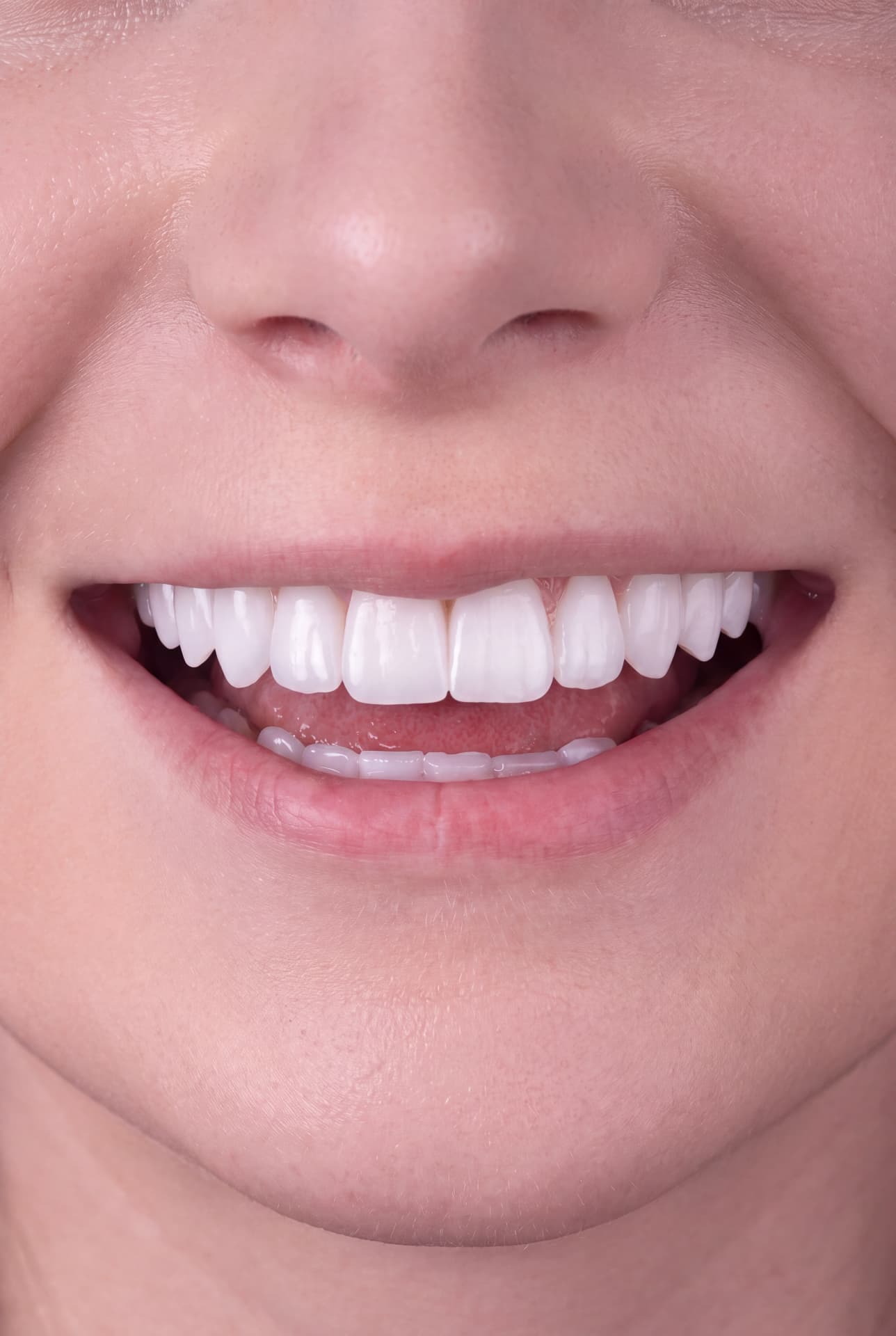
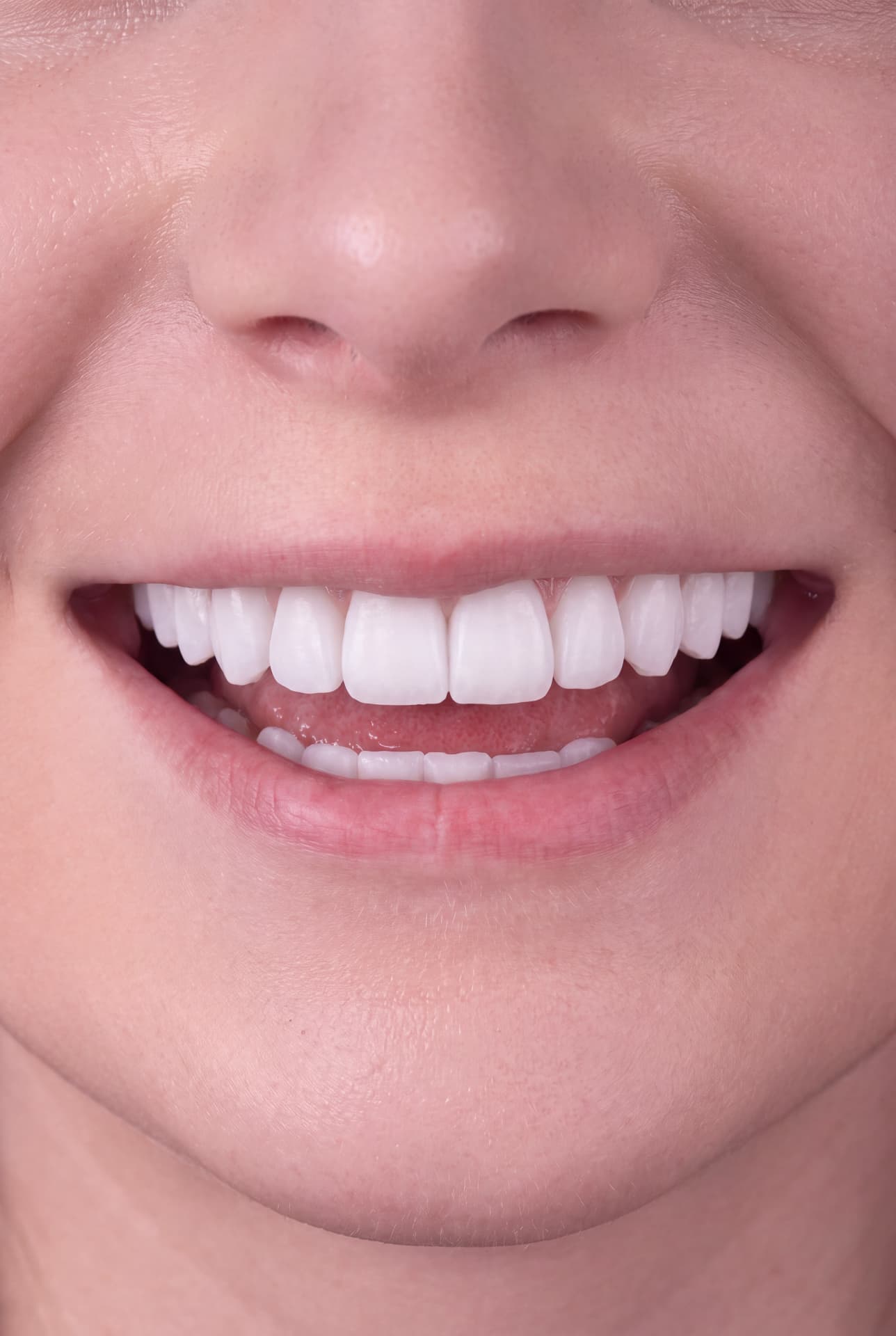
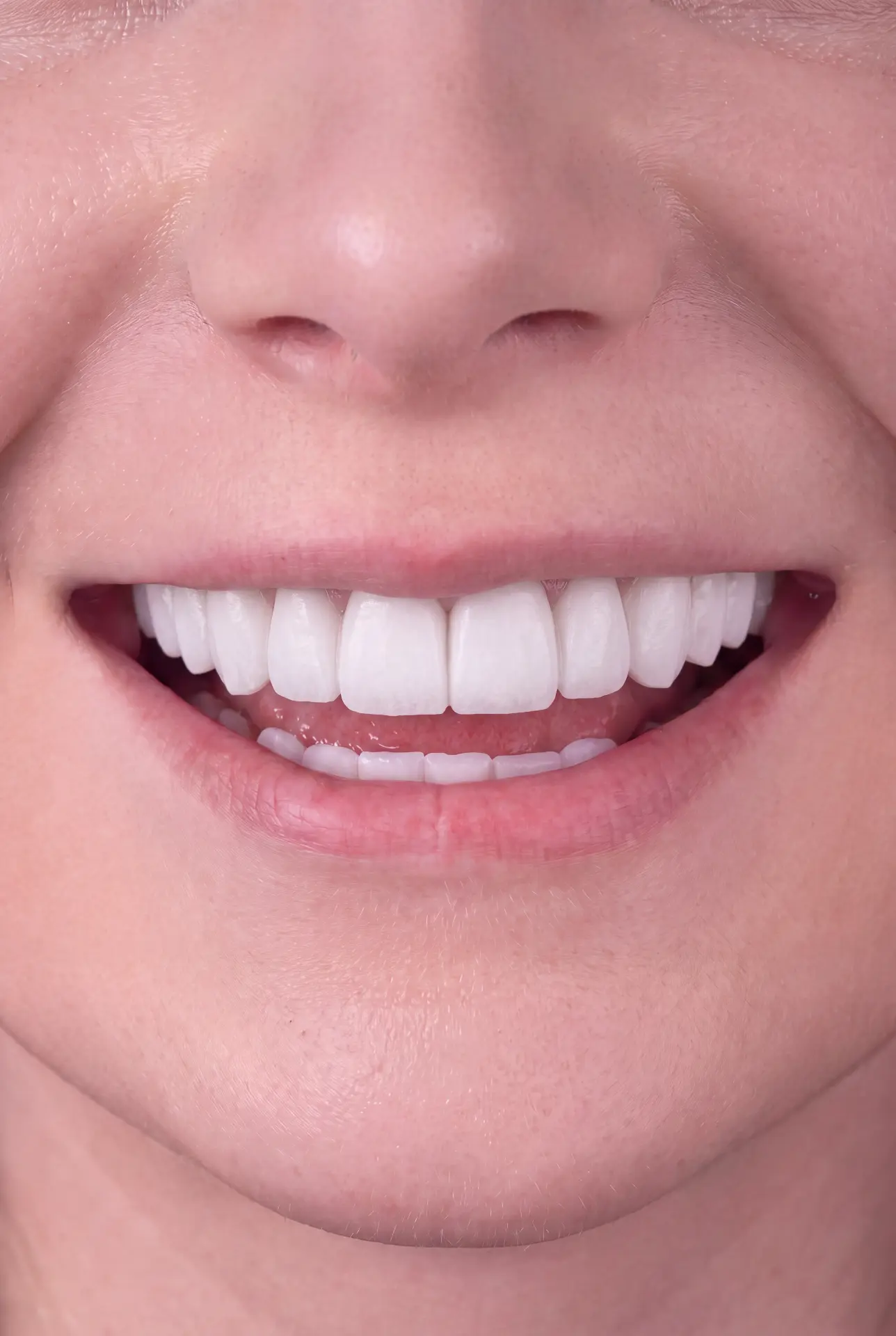
A very bright shade combined with little translucency may look more solid and uniform. Remove subtle surface detail as well, and the result can become deliberately polished or visibly "done". Some people like that appearance. It may fit their personality and their wider sense of style.
1
2
3
4
5
6
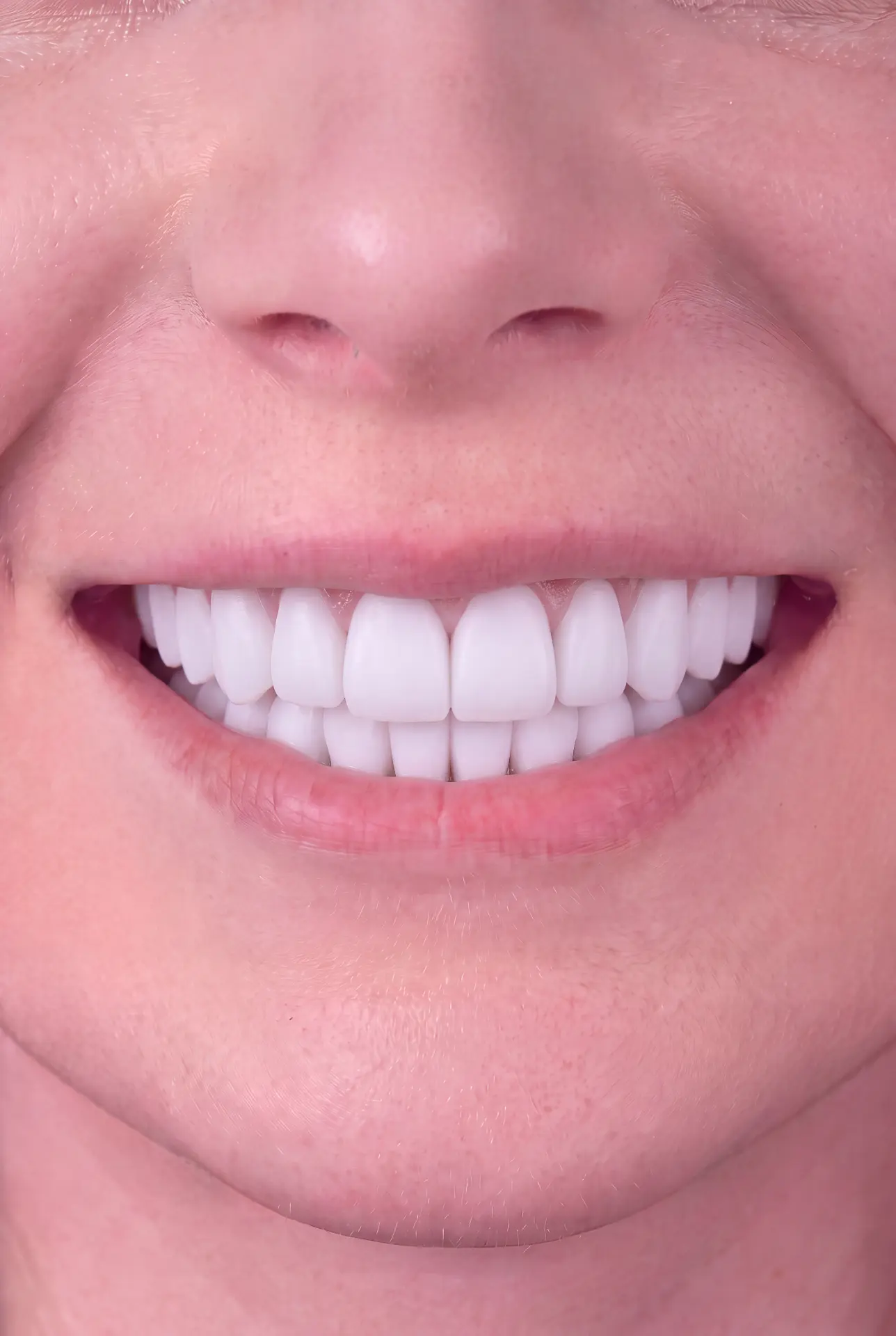
The more difficult result is a smile that was intended to look natural but feels out of place: teeth that overwhelm the face, proportions that are too broad or long, identical edges with little differentiation, and a flat colour with little depth.
The issue is rarely whiteness alone. It is the relationship between size, shape, arrangement and optical detail.
Every patient's aesthetic preferences deserve respect and thoughtful discussion. My responsibility is to explain what makes teeth look natural and how we can create a bright smile that retains those qualities, while protecting dental health. The aim is teeth with shapes, sizes and proportions that suit your face, even when you choose a very white shade. People should compliment your smile, not your dentistry.
Related questions
A smile that belongs to you
Smile design brings together facial assessment, dental biology, function and craftsmanship.
We begin with the framework nature has given you. We identify the qualities you like. Then we refine the shapes, proportions, arrangement, texture, translucency and shade so they work together.
No single detail can carry the whole result. Beautiful ceramic cannot compensate for unsuitable proportions, and a carefully chosen shade cannot resolve teeth positioned poorly within the face.
For me, the most successful smile is one that feels at home in the person's face. It can be bright, expressive and beautifully made while still feeling entirely their own.
If you are considering changing your smile, bring photographs of what you like. They are a useful starting point for a conversation about the details—and how we can interpret them for you.
Frequently asked questions
Answers to the questions patients ask most.